
Top Tips for Maintaining Your Power Tools
GENERAL BLOG
11/10/20254 min read
Understanding Your Power Tools
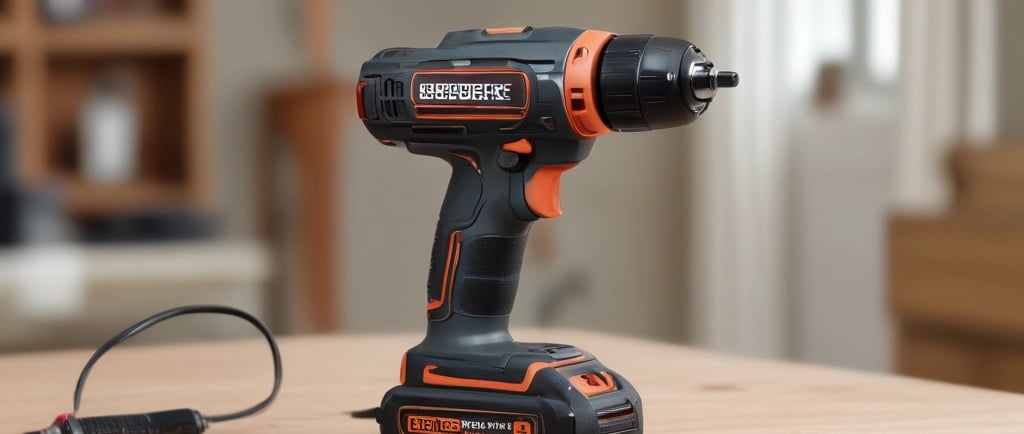
Power tools play a crucial role in various industries and home improvement projects, making tasks easier and more efficient. Among the most common types of power tools are drills, saws, and grinders, each designed to serve specific functions. Understanding these types and their individual components is essential in maintaining them effectively.
Drills, for instance, are vital for creating holes in various materials, ranging from wood to metal. They are equipped with a chuck that holds drill bits and often feature variable speed settings for different tasks. Saws, which include circular, jigs, and reciprocating saws, are designed for cutting through materials with precision. Each saw type has its components, such as blades that are replaceable, depending on the material being cut. Grinders, on the other hand, are used for removing material and finishing surfaces, incorporating components like discs and handles that require regular inspection for wear.
Familiarity with these tools is beneficial not only for effective usage but also for proper maintenance. A thorough understanding of how each component functions can prevent misuse and potential damage. Moreover, it promotes safety when operating these tools. One of the best practices for power tool maintenance is to read the manufacturer's manual. These manuals provide specific guidance on tool operation, maintenance schedules, and safety protocols, making them essential resources for any tool owner.
By investing time in understanding your power tools, you can ensure their longevity and functionality. Awareness of how different components operate and the importance of regular maintenance will contribute significantly to their performance and safety. In turn, this knowledge will help you make informed decisions, prolonging the life of your tools and enhancing your overall experience with them.
Regular Cleaning and Upkeep
Maintaining power tools in optimal condition requires diligent cleaning and upkeep. Regular cleaning is essential to ensure that dust and debris do not accumulate, which can lead to equipment malfunctions or diminished performance. Using appropriate cleaning materials specific to each tool significantly enhances their longevity and efficacy. For example, a soft brush or a vacuum can effectively remove dirt from intricate components, while a damp cloth is suitable for wiping down surfaces that come into contact with hands or other materials.
In addition to routine cleaning, lubricating moving parts plays a critical role in the maintenance of power tools. Gears, bearings, and other mechanical elements are subject to friction, which can lead to wear and tear over time. Applying a suitable lubricant can reduce friction and hinder the degradation of these components. It is advisable to follow the manufacturer’s recommendations regarding lubrication intervals, typically after a certain number of hours of use or at the end of a working season.
Checking power tools for signs of wear and tear is another crucial aspect of maintenance. This includes inspecting power cords for fraying, examining blades or bits for damage, and looking for any loose screws or components. These checks should occur at regular intervals, ideally after each use and more thoroughly on a predetermined schedule dictated by the intensity of tool usage.
In conclusion, maintaining power tools through regular cleaning and upkeep is essential for ensuring their effective and safe operation. By integrating these practices into your routine, you can prolong the lifespan of your tools while enhancing performance. Keeping a consistent maintenance schedule will not only improve functionality but also protect your investment in power tools.
Safe Storage Practices
Maintaining power tools begins with their proper storage. Safe and appropriate storage practices not only streamline work efficiency but also extend the lifespan of your tools. There are various storage options available, including toolboxes, pegboards, and shelving units, each offering specific advantages for organizing and protecting your investment. Toolboxes provide a portable solution, allowing you to keep tools secure and easily transportable, while pegboards allow for quick access and visibility, supporting an organized workspace.
When selecting a storage solution, consider the types of tools you own and their frequency of use. Heavy-duty tools may benefit from dedicated shelving units, enabling effective weight management, while smaller hand tools could be optimally stored in a toolbox or on a pegboard for easy sight and reach. Organizing tools not only makes them easier to find but also prevents unnecessary damage that may occur from crowded or chaotic storage environments.
Environmental factors play a significant role in the longevity of power tools. Humidity, temperature fluctuations, and exposure to direct sunlight can adversely affect tool performance, resulting in rust, degradation, and loss of functionality. Ideally, power tools should be stored in a dry, climate-controlled area to reduce the risk associated with these factors. If you lack a controlled environment, consider using desiccants or silica gel packs in your storage space to absorb excess moisture and protect against dampness.
Additionally, ensure that tools are clean and free from debris before storage, as accumulated dust and particles can foster rust and corrosion over time. By employing these safe storage practices, you will create an environment that promotes the maintenance of your power tools while maximizing their usability and lifespan. Proper organization and protection of power tools are essential steps towards effective maintenance and operational longevity.
When to Seek Professional Help
Maintaining power tools is essential for optimal performance and longevity; however, there are instances when seeking the expertise of a professional becomes necessary. Recognizing the signs that indicate when a power tool requires professional servicing can prevent minor issues from escalating into serious problems. One major indicator is the occurrence of unusual noises during operation. If a tool produces grinding, screeching, or other abnormal sounds, it may signal internal wear or mechanical failures that should be assessed by a qualified technician.
Another sign to watch for is overheating. While it's normal for some tools to become warm during use, excessively high temperatures can lead to irreversible damage. If a power tool frequently overheats, it could indicate a malfunctioning motor or obstructed air vents, necessitating a professional evaluation. Ignoring this can result in costly repairs or replacement down the line.
Furthermore, a noticeable loss of functionality is a clear red flag. If a tool no longer performs as intended, whether it is decreased power output, inefficient cutting, or erratic behavior, it is crucial to address these symptoms. Attempting to troubleshoot complex problems without the necessary expertise can be dangerous and may worsen the condition of the tool.
Engaging in professional maintenance offers several benefits. Experts possess the knowledge and expertise to identify underlying issues effectively, ensuring that your power tools are restored to proper working order. Additionally, regular professional servicing can enhance safety features, reducing the risk of accidents that might occur due to faulty equipment. Investing in professional help not only extends the life of your tools but also guarantees their performance, allowing you to work efficiently and safely.